
Something significant happened in the world of innovation last year, and it deserves to be talked about.
A major new report released this week, the Female Innovation Index 2026, produced by Female Foundry in partnership with venture and private equity associations across twenty countries, has documented what many of us in the innovation world have been feeling for some time: female founders are not just participating in the startup ecosystem. They are leading it, scaling it, and transforming it.
This Is Not a “Nice Story.” It Is a Movement.
The numbers in the report tell one story. But behind every statistic is a founder who made a difficult decision, backed herself when no one else would, and built something from nothing. What the Female Innovation Index captures is the collective weight of thousands of those decisions, and the result is striking.
Funding raised by female-founded companies hit a three-year high in 2025, up nearly a fifth on the previous year. That growth matched or outpaced the broader venture market. More female-founded companies reached unicorn status last year than ever before, and a record number are within reach of that milestone right now.
This is not a blip, it is a trend with serious momentum behind it.
AI Is Amplifying Everything
Perhaps the most energising finding in the report is what female founders are doing with artificial intelligence. An overwhelming majority of those surveyed said they are now using AI in their businesses, and almost all of them said it has made building their company genuinely easier over the past twelve months.
This matters. Because AI is not just a feature for these founders, it is infrastructure. It is how they move faster, do more with smaller teams, and compete with players who have far greater resources. It is the great equaliser that the startup world has been waiting for, and female founders are embracing it fully.
As Agata Nowicka, founder of Female Foundry and author of the Index, put it: “Female founders across all industries are no longer simply experimenting with AI. They are embedding it at the core of their value creation. We are witnessing a generational shift in how women build, innovate and scale.”
The UK Is Leading the Way
For those of us in the UK innovation community, there is particular cause for pride. Several of the largest funding rounds raised by female-founded companies last year went to British businesses, spanning fields as varied as AI video generation, data intelligence and warehouse robotics. UK female founders are not watching this wave from the sidelines. They are helping to create it.
If you are building here in the UK right now, you are doing so in one of the most active and supportive environments for female-led innovation in the world. That is worth knowing.
Despite all this progress, female founders remain underrepresented across many parts of the innovation landscape. That gap is not a ceiling. It is an opportunity, for female founders, for investors, and for communities like ours.
What This Means for You
If you are a female founder building something right now, this report is worth pausing to absorb. Not for the statistics, but for what they represent: a community of women who have decided that the path forward is through innovation, not around it.
The barriers are real. The journey is hard. But the evidence is clear that the moment for female-led innovation has well and truly arrived, and the women driving it are not waiting for permission.
Neither should you.
This International Women's Day 2026, the message is clear: female-led innovation is not the future, it is happening right now.
Sources: Female Innovation Index 2026 (Female Foundry / Tech.eu), European Patent Office Gender and Innovation Report
Meet our own Female Founders who have shared their stories with us:
 Harriet Fuller
 Innovator International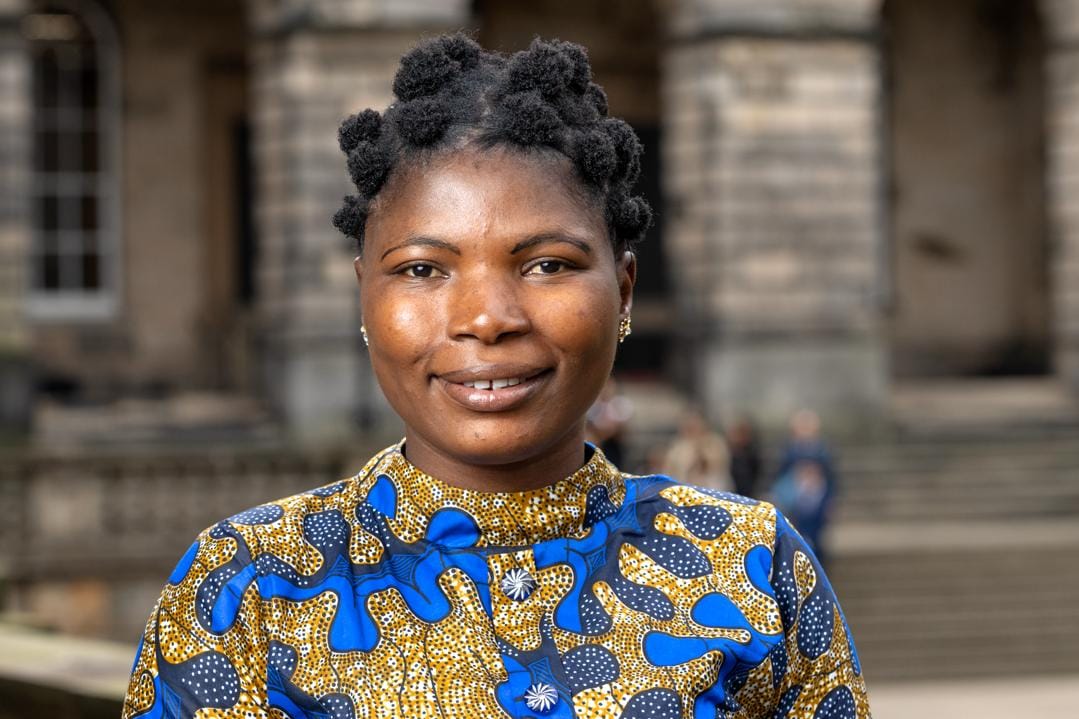
 Innovator International
 Richard Harrison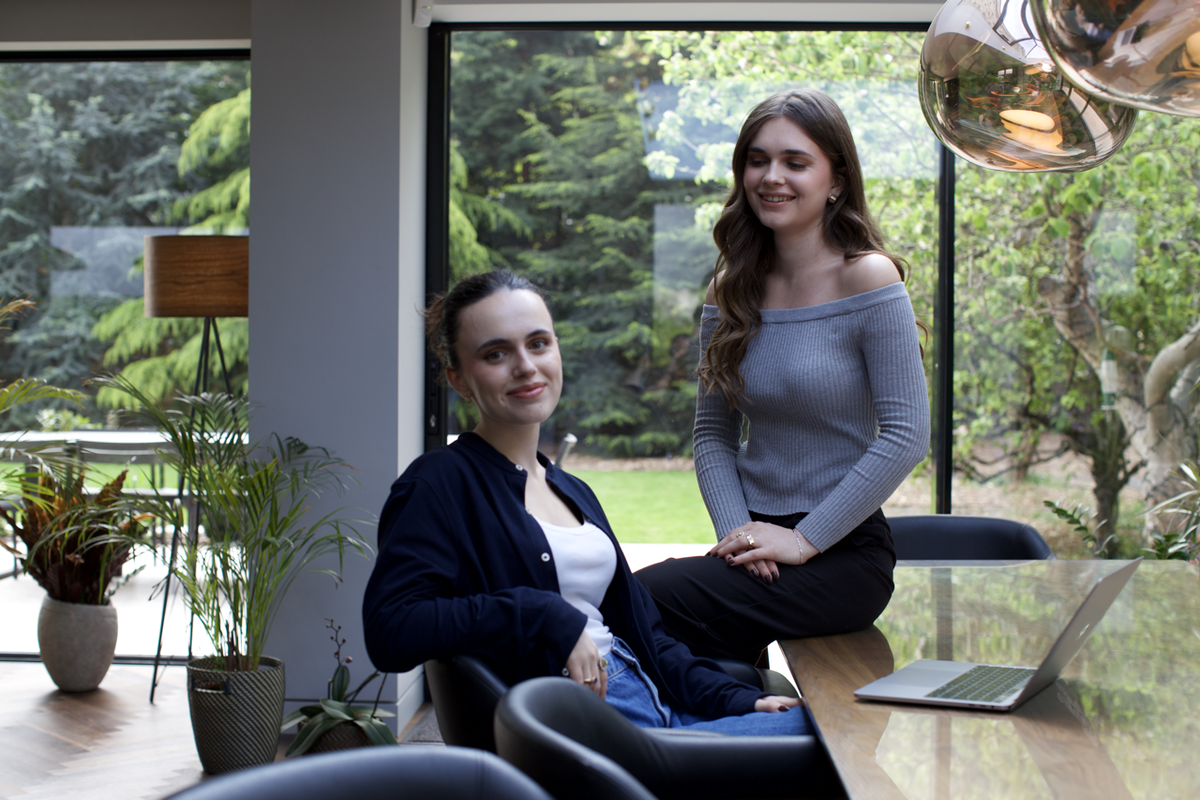
 Innovator International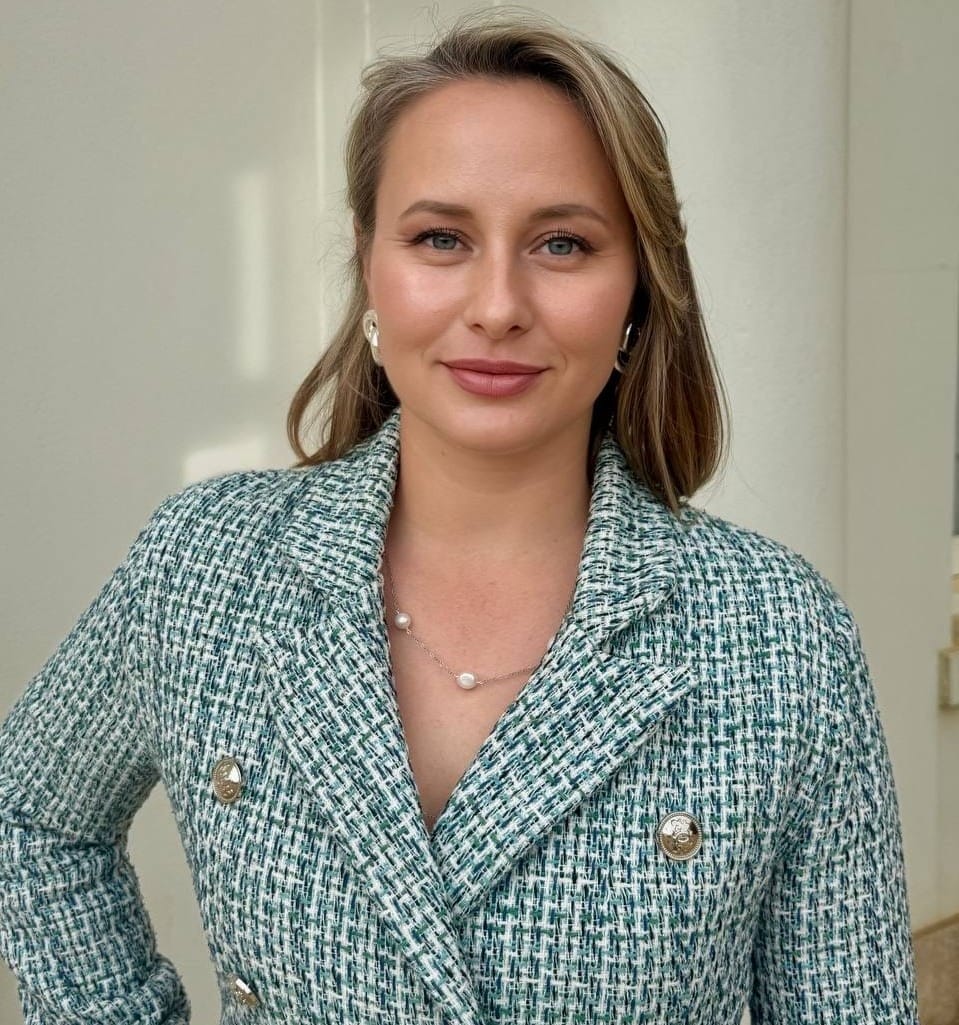
 Innovator International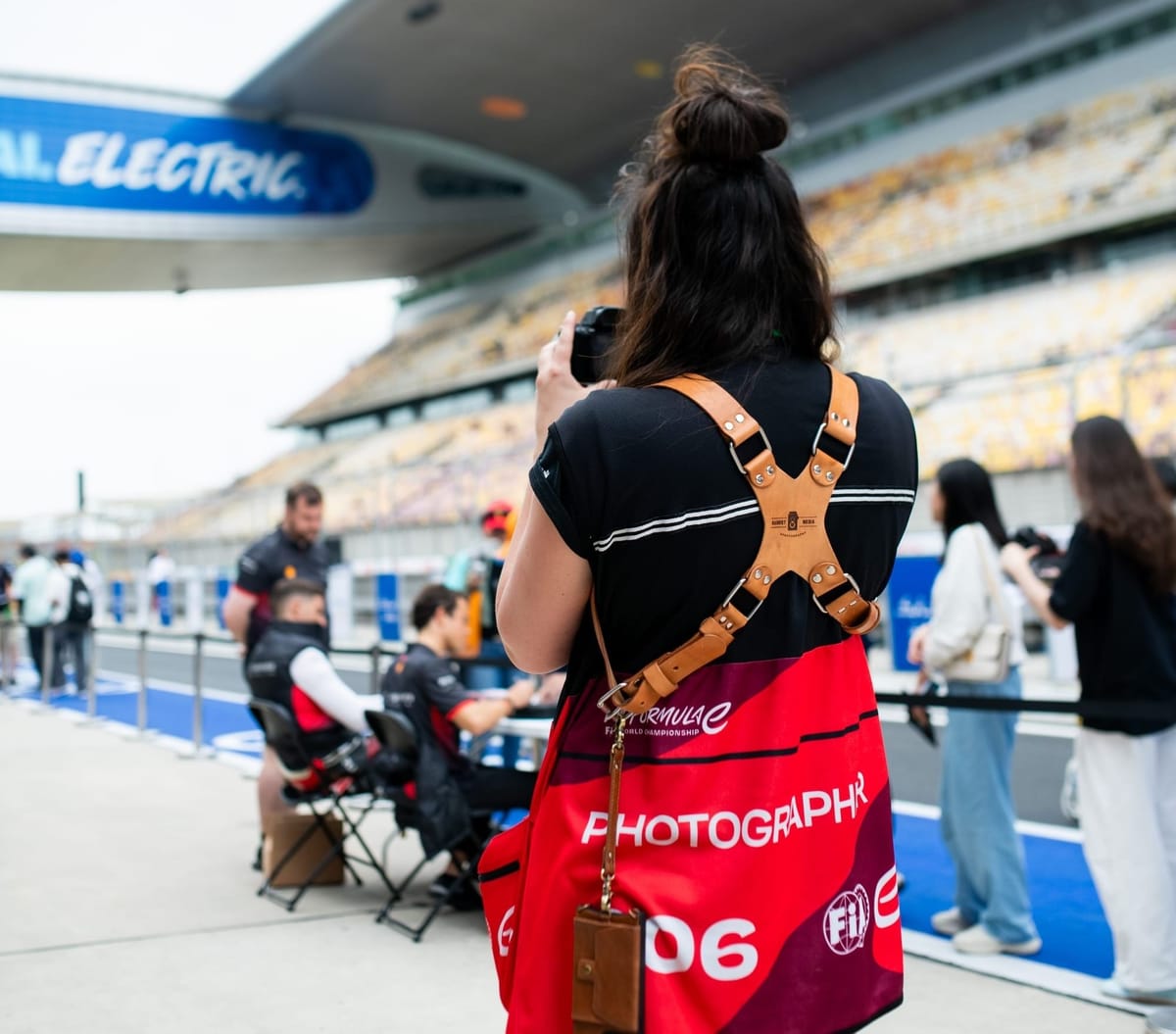
 Harriet Fuller