


Once the clocks go back, the UK settles into long, dark evenings. It can feel gloomy at first, especially if you have recently arrived. But this stretch of the year is also one of the most sociable, with a string of celebrations that bring families, neighbours and communities out into the cold for a bit of warmth, light and noise.
If you are new to Britain, here is a friendly guide to what is happening over the next few weeks and how to enjoy it, whether you have children or not.
Halloween Saturday 31 October
Halloween has grown enormously in the UK, and it falls on a Saturday this year, so it is a good one for families. Children dress up and go trick or treating around their neighbourhood after dark, usually from late afternoon until about 8pm.
The unwritten rule is simple. If a house has a pumpkin in the window or a decoration on the door, it is happy to be knocked on. If the house is dark and bare, leave it be. Always go out with an adult, stay on pavements, and keep to streets you know. You do not have to join in, but if you would like to welcome trick or treaters, a bowl of individually wrapped sweets is plenty.
If trick or treating is not for you, many farms and garden centres run pumpkin picking and carving days, and lots of towns put on family friendly Halloween events. Carving a pumpkin at home with the children is a lovely, inexpensive way to join in. Roasting the seeds with a little salt is a nice bonus.

Bonfire Night, Thursday 5 November
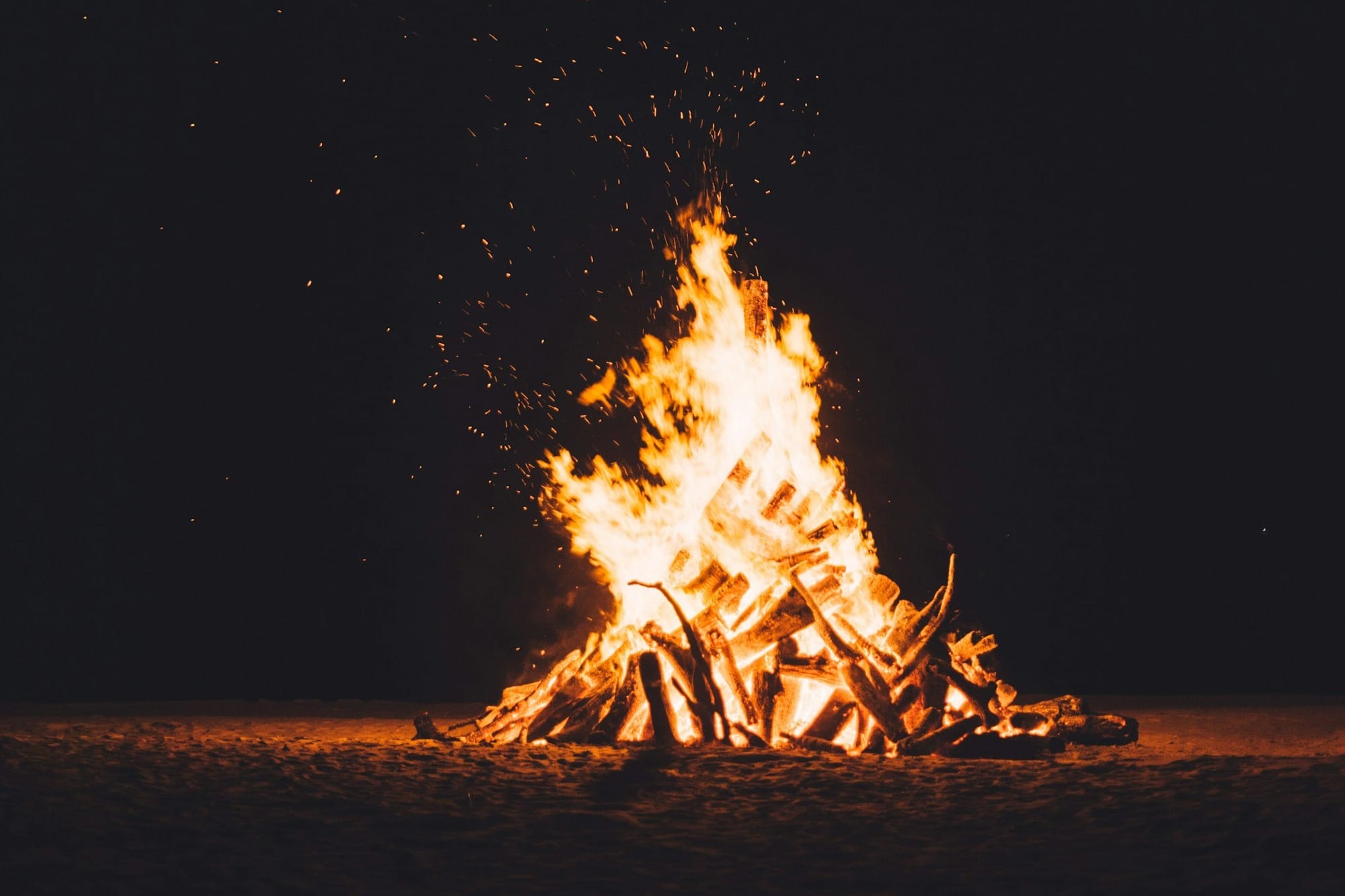
Of all the British traditions, this is the one that tends to puzzle newcomers most. Bonfire Night, also called Guy Fawkes Night, remembers the Gunpowder Plot of 1605, when a group of conspirators tried and failed to blow up Parliament. Four hundred years later, we mark it with bonfires, fireworks and plenty of food.
The easiest way to enjoy it is to go to an organised display. Most towns, schools, rugby clubs and community groups hold one, and they are far safer and more spectacular than anything you could manage in the garden. Book tickets early, wrap up warmly, and bring gloves and a hat. Children often love a sparkler, but they should always wear gloves, hold them at arm's length and drop them into a bucket of water when they burn out.
Expect hot food, too. Jacket potatoes, hot dogs, toffee apples, bonfire toffee and parkin, a sticky ginger cake from the north of England, are all traditional. A hot chocolate in your hands makes the cold much easier to bear.
If you do plan fireworks at home, remember that you must be 18 or over to buy them, and they cannot be set off between 11pm and 7am, with exceptions for Bonfire Night, New Year's Eve, Diwali and Chinese New Year. Do keep an eye on pets and young children, as the noise can be frightening. Many families find ear defenders a real help for little ones.
Remembrance Sunday, 8 November, and Armistice Day, 11 November
This is a quieter and more solemn moment in the calendar. You will notice red poppies being worn on coats and lapels from late October. They remember those who have died in conflict, and the money raised from them supports the armed forces community.
On Remembrance Sunday, services and parades are held in towns and villages across the country. At 11am on 11 November, many people pause for a two minute silence. You do not need to do anything special, but it is thoughtful to stand quietly if you are out and about at the time. Wearing a poppy is entirely a personal choice.

Diwali, Sunday 8 November
Diwali, the festival of lights, is one of the biggest celebrations for Hindu, Sikh and Jain communities in the UK, and it has a vibrant home here. Sikhs mark the same time of year as Bandi Chhor Divas, remembering the release of Guru Hargobind from imprisonment. Homes are filled with lamps and candles, families share sweets and gifts, and there are fireworks too.
Leicester is famous for hosting one of the largest Diwali celebrations outside India, and London, Birmingham and many other cities hold public events with lights, music and food. Many temples and gurdwaras warmly welcome visitors, so if you are curious, it is lovely to go along with respect and an open mind. Diwali is not a public holiday in the UK, but plenty of workplaces and schools acknowledge it.

Other occasions worth knowing about
There is a lot more going on across these weeks. All Saints' Day on 1 November and All Souls' Day on 2 November are important in the Christian calendar, and many families also mark Día de Muertos at this time. Later in the month, Guru Nanak Gurpurab, the birthday of the founder of Sikhism, falls on 24 November, and many gurdwaras welcome everyone to share a free meal, called langar, afterwards. And then, of course, the Christmas lights are never far behind.
Making it your own
We recommend that you pick one or two things that appeal to you and your family and enjoy them properly. Britain's celebrations are a wonderful mix of old customs and the traditions people have brought here from around the world.
If you would like company, our community WhatsApp group is a friendly place to find someone to go to a fireworks display with. And if you are planning something, send us the details, and we will gladly share it in our weekly newsletter.
Happy Halloween, happy Bonfire Night and a very happy Diwali to everyone celebrating!


